
Mission. Methodology. No Apology.
We rank the greatest athletes across every sport and every gender using one scoring system. The Athletic Power Index doesn't bend for politics, nostalgia, or marketing budgets. Numbers don't negotiate.
Our Mission
One Sport. One Species. One Index.
Athletic Players exists because no credible, data-driven ranking of the world's greatest athletes treated male and female competitors as equals on the same leaderboard. We built the one that does.
The Athletic Power Index (API) scores every athlete on eight objective dimensions — speed, power, endurance, skill, mental fortitude, recovery, longevity, and competitive record. A sprinter's score sits beside a swimmer's. A gymnast's score stacks against a decathlete's. Cross-sport, cross-gender, zero asterisks.
This is not a celebration. It's a verdict. See the full Global Athletic Rankings or pit any two athletes directly in our Head-to-Head Comparator.
Performance Dimensions Scored
Sports & Disciplines Covered
Gender Representation Target — Always
Speed
Raw velocity, reaction time, and sport-specific quickness metrics drawn from verified competition data and biomechanical studies.
Power & Strength
Peak force output relative to bodyweight. Not gym PRs — performance-derived power measured at the moment of competition.
Endurance
Aerobic capacity, lactate threshold performance, and the ability to sustain elite output across the full duration of competition.
Skill & Technique
Biomechanical efficiency scores, judging panel composites, and expert-coded movement analysis. Harder to fake than a stopwatch.
Mental Fortitude
Clutch performance differential — how much an athlete's output rises or falls in elimination rounds versus regular competition.
Recovery Rate
Competition density tolerance, injury-return times, and performance decay curves across multi-day or multi-event formats.
Longevity
Active elite years at podium level. Careers that compress into one brilliant season score differently than those that span decades.
Competitive Record
Title-weighted win ratios across career. World championships weight heavier than regional titles. Olympic golds weight heaviest of all.

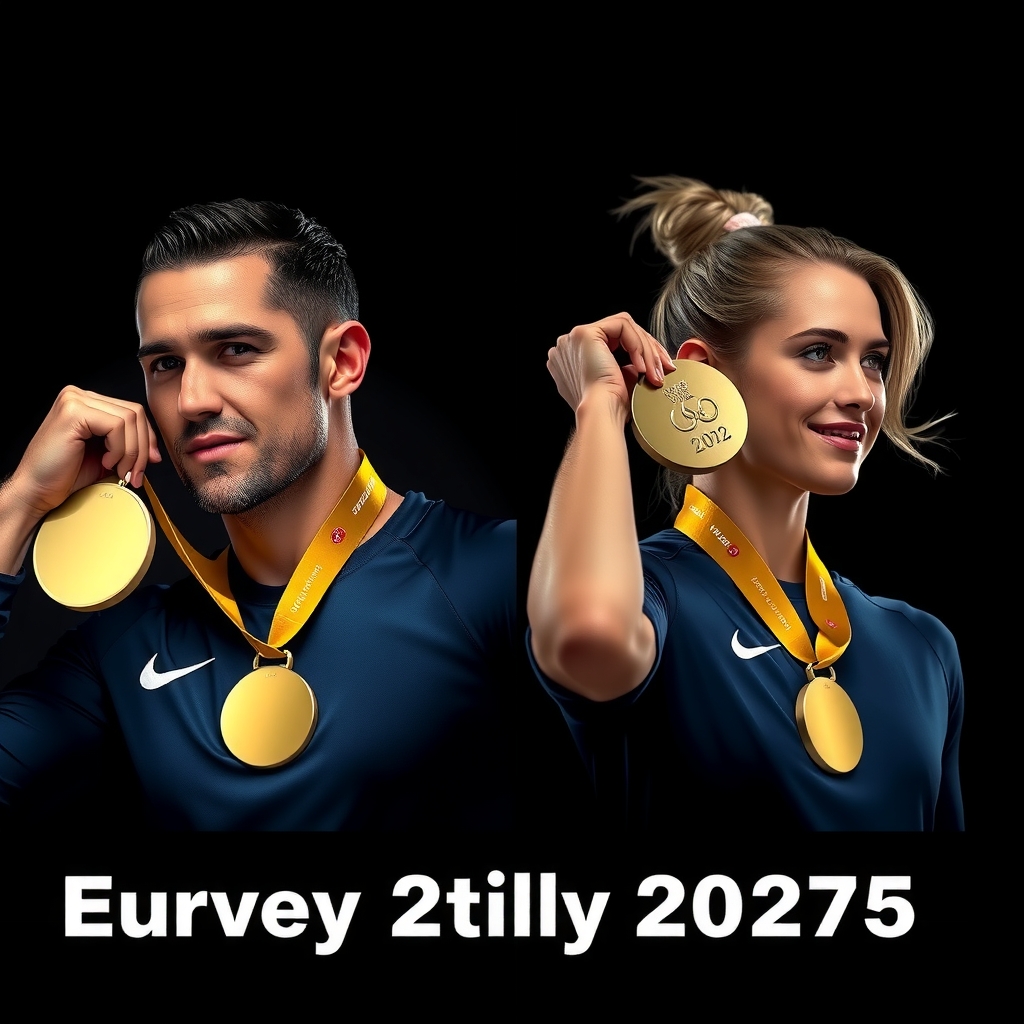
Gender Parity Commitment
Equal Criteria.
Equal Weight.
Equal Rank.
The Athletic Power Index doesn't compare women to men. It compares athletes to athletes. Both groups are scored identically, against the same eight criteria, using the same statistical framework. Whether the top overall API score belongs to a woman or a man changes year to year. That's the point.
Our Global Rankings display an interleaved, non-segregated leaderboard. Dedicated gender-filtered views exist for users who want them — but the default is unified, because unified is correct. The Hall of Fame applies the same standard.
- No gender-specific score adjustments or handicaps applied
- Data sourced independently for female and male competitors in each discipline
- Editorial coverage targets 50/50 ratio across all published content
- Methodology panel requires gender-balanced expert review every cycle
- Any sport lacking sufficient female data is excluded entirely — not approximated
Data Sources & Methodology
Where the Numbers Come From
| Data Category | Primary Sources | Verification Method | Update Frequency |
|---|---|---|---|
| Competition Results | World governing body databases (World Athletics, FINA, FIFA, ITF, IOC records) | Cross-referenced against two independent official sources before entry | After every major competition |
| Biomechanical Metrics | Peer-reviewed sports science journals, licensed broadcast tracking data | Expert panel review; studies older than 8 years flagged for re-evaluation | Quarterly |
| Competitive Record | Official federation title records, Olympic archives, championship databases | Dual-researcher independent entry with automated conflict detection | Annual full audit + live after major events |
| Mental Fortitude Score | Proprietary clutch-performance differential model built on career split data | Statistical outlier review by independent sports analytics contractor | Bi-annual model refresh |
| Longevity & Recovery | Federation registration records, injury disclosures, competition density logs | Manual review by sport-specialist researchers | Annual |
All scores are reproducible. Methodology documentation is available on request. We correct errors publicly and log every revision. Disputes go to the methodology panel, not the editorial team — that separation is deliberate and non-negotiable. See how scores translate to rankings at Global Rankings — Scoring.
The People Behind the Index
Meet The Team
Data doesn't lie.
Editors do.
Our editorial lead has covered Olympic athletics across four continents. Their job: make sure no score is published without a source that a hostile critic couldn't tear apart.
The model
is the argument.
PhD in sports science. Built the z-score normalization framework that lets a gymnast's score sit honestly next to a marathon runner's. Revises the model annually. Publicly.
Sources checked.
Then checked again.
A four-person team of sport-specialist researchers, each assigned to disciplines they competed in or covered professionally. No generalists entering data they don't understand.
External. Independent.
Opinionated.
Six external experts — gender-balanced, from four different sports disciplines — who convene twice yearly to audit the weighting model and challenge every assumption we've made since the last review.
Contact & Corrections
Argue
With
The Data.
Found an error. Dispute a score. Think we've missed an athlete who deserves ranking. We want that conversation — but bring sources, not opinions. Corrections submitted with verifiable data get a public response within 14 days.
Submit a Correction